


How Does a High-Volume Water Purifier Under Kitchen Improve Filtration Efficiency?
Release Time : 2026-04-20
The modern kitchen has evolved into a center of health and wellness, with the quality of drinking water taking center stage. As households seek to reduce plastic waste and ensure the purity of their hydration, the high-volume water purifier installed under the kitchen sink has emerged as a superior solution. Unlike standard pitcher filters or faucet attachments, these advanced systems are engineered to deliver a continuous stream of contaminant-free water without compromising flow rate. The efficiency of such a system is not merely a result of a single filter but is the outcome of a sophisticated multi-stage process, advanced membrane technology, and intelligent hydraulic design. Understanding how these components synergize reveals the engineering excellence behind the clear, crisp water dispensed at the touch of a tap.
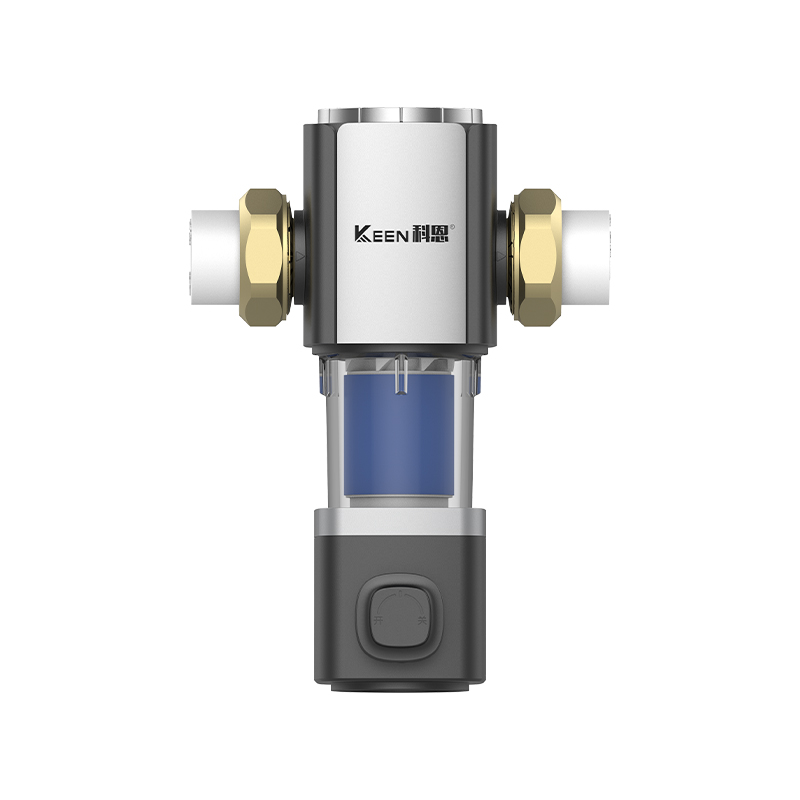
At the core of any high-volume purification system lies a multi-stage filtration architecture. This sequential approach ensures that water is treated progressively, with each stage targeting specific types of impurities. The process typically begins with a sediment pre-filter. This initial barrier is designed to capture large particulate matter such as sand, rust, silt, and clay. By removing these physical contaminants first, the system protects the more delicate downstream components from clogging and abrasion. This stage is crucial for maintaining the overall longevity of the unit, as it prevents the premature fouling of the subsequent carbon filters and membranes.
Following sediment removal, the water passes through a granular activated carbon filter. This stage is essential for addressing chemical contaminants. Activated carbon possesses a vast surface area and a porous structure that acts like a sponge for chemicals. It effectively adsorbs chlorine, chloramines, volatile organic compounds, and pesticides. The removal of chlorine is particularly critical because chlorine can degrade the thin-film composite membranes used in reverse osmosis systems. By neutralizing these chemicals early in the process, the carbon filter ensures that the water reaching the membrane is chemically balanced and ready for the finest level of filtration.
The centerpiece of high-efficiency purification is the Reverse Osmosis membrane. This semi-permeable membrane acts as the ultimate barrier against dissolved solids. With pore sizes measuring approximately 0.0001 microns, the membrane is capable of rejecting up to 99% of total dissolved solids, including heavy metals like lead and arsenic, fluoride, nitrates, and bacteria. The physics of reverse osmosis involves applying pressure to force water molecules through the membrane while leaving contaminants behind. In a high-volume system, the membrane surface area is often larger, or the flow dynamics are optimized to allow for faster permeation without sacrificing the rejection rate. This ensures that the water is not only safe but also free from the metallic or salty tastes associated with high mineral content.
Efficiency in a high-volume system is also defined by the management of water flow and pressure. Traditional reverse osmosis systems were often criticized for their slow production rate and significant water waste. However, modern high-volume units employ advanced hydraulic engineering to mitigate these issues. Many utilize a booster pump to maintain optimal pressure across the membrane, which accelerates the filtration rate and improves the rejection of contaminants. Furthermore, the integration of a storage tank allows the system to produce purified water gradually, storing it under pressure so that a high volume is instantly available when the faucet is opened. This decouples the slow process of membrane filtration from the user's demand for instant flow, providing a seamless experience.
The post-filtration stage plays a vital role in the final quality of the water. After passing through the membrane, water is often stored in a tank where it can become stagnant or pick up subtle tastes from the tank liner. To address this, high-volume purifiers typically include a final inline carbon filter, often referred to as a polishing filter. This final stage ensures that any residual tastes or odors are removed just before the water reaches the faucet. Some advanced systems also include a remineralization filter, which adds beneficial minerals like calcium and magnesium back into the water. This not only improves the taste, making it more alkaline and refreshing, but also helps to balance the pH level, protecting plumbing fixtures from the corrosive effects of overly acidic water.
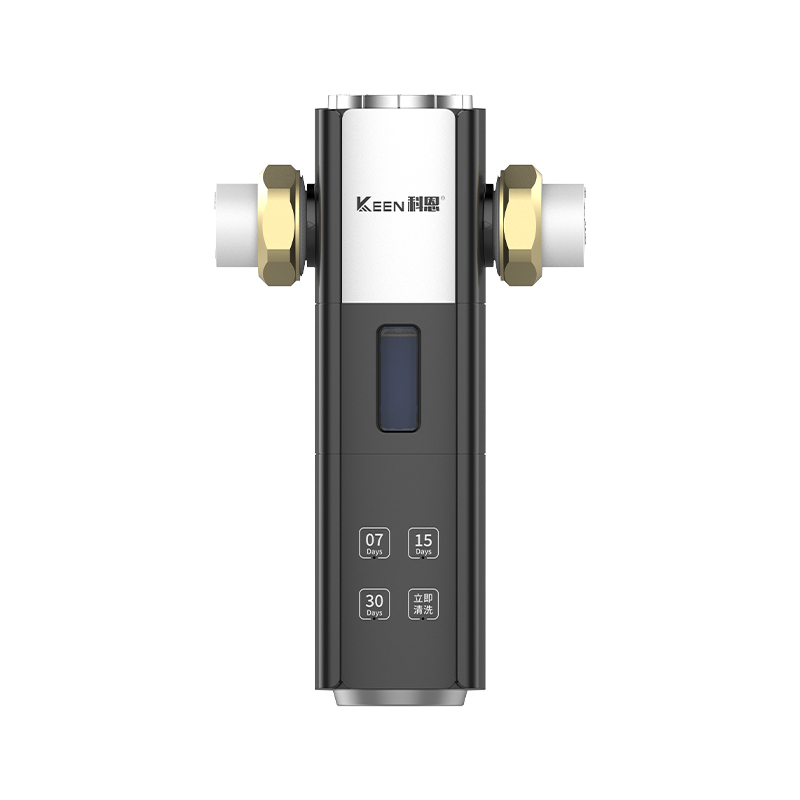
Smart technology has further enhanced the operational efficiency of under-kitchen purifiers. Modern units often feature digital monitoring systems that track the lifespan of each filter stage in real-time. Instead of guessing when to change a filter based on a calendar, users are alerted based on actual water usage and flow rates. This ensures that the system always operates at peak efficiency, as clogged or expired filters can significantly reduce flow rates and compromise water quality. Additionally, some systems include leak detection sensors and automatic shut-off valves, providing peace of mind and protecting the kitchen cabinetry from potential water damage.
Installation and spatial optimization are also key factors in the design of these high-volume units. Engineers have managed to pack these complex multi-stage systems into compact housings that fit easily under a standard sink. Quick-connect fittings and color-coded tubing have simplified the installation process, reducing the potential for leaks and making maintenance more accessible for homeowners. The robust construction of these units, often utilizing food-grade plastics and stainless steel components, ensures that the system itself does not introduce any contaminants into the water supply.
In conclusion, the high-volume water purifier under the kitchen represents a triumph of filtration science and mechanical engineering. By combining physical sediment removal, chemical adsorption, and molecular rejection through reverse osmosis, these systems provide a comprehensive barrier against a vast array of contaminants. The addition of booster pumps, storage tanks, and smart monitoring ensures that this purification happens rapidly and reliably. For the modern household, this technology offers the ultimate convenience: an endless supply of pure, great-tasting water that is safer and more sustainable than bottled alternatives.
At the core of any high-volume purification system lies a multi-stage filtration architecture. This sequential approach ensures that water is treated progressively, with each stage targeting specific types of impurities. The process typically begins with a sediment pre-filter. This initial barrier is designed to capture large particulate matter such as sand, rust, silt, and clay. By removing these physical contaminants first, the system protects the more delicate downstream components from clogging and abrasion. This stage is crucial for maintaining the overall longevity of the unit, as it prevents the premature fouling of the subsequent carbon filters and membranes.
Following sediment removal, the water passes through a granular activated carbon filter. This stage is essential for addressing chemical contaminants. Activated carbon possesses a vast surface area and a porous structure that acts like a sponge for chemicals. It effectively adsorbs chlorine, chloramines, volatile organic compounds, and pesticides. The removal of chlorine is particularly critical because chlorine can degrade the thin-film composite membranes used in reverse osmosis systems. By neutralizing these chemicals early in the process, the carbon filter ensures that the water reaching the membrane is chemically balanced and ready for the finest level of filtration.
The centerpiece of high-efficiency purification is the Reverse Osmosis membrane. This semi-permeable membrane acts as the ultimate barrier against dissolved solids. With pore sizes measuring approximately 0.0001 microns, the membrane is capable of rejecting up to 99% of total dissolved solids, including heavy metals like lead and arsenic, fluoride, nitrates, and bacteria. The physics of reverse osmosis involves applying pressure to force water molecules through the membrane while leaving contaminants behind. In a high-volume system, the membrane surface area is often larger, or the flow dynamics are optimized to allow for faster permeation without sacrificing the rejection rate. This ensures that the water is not only safe but also free from the metallic or salty tastes associated with high mineral content.
Efficiency in a high-volume system is also defined by the management of water flow and pressure. Traditional reverse osmosis systems were often criticized for their slow production rate and significant water waste. However, modern high-volume units employ advanced hydraulic engineering to mitigate these issues. Many utilize a booster pump to maintain optimal pressure across the membrane, which accelerates the filtration rate and improves the rejection of contaminants. Furthermore, the integration of a storage tank allows the system to produce purified water gradually, storing it under pressure so that a high volume is instantly available when the faucet is opened. This decouples the slow process of membrane filtration from the user's demand for instant flow, providing a seamless experience.
The post-filtration stage plays a vital role in the final quality of the water. After passing through the membrane, water is often stored in a tank where it can become stagnant or pick up subtle tastes from the tank liner. To address this, high-volume purifiers typically include a final inline carbon filter, often referred to as a polishing filter. This final stage ensures that any residual tastes or odors are removed just before the water reaches the faucet. Some advanced systems also include a remineralization filter, which adds beneficial minerals like calcium and magnesium back into the water. This not only improves the taste, making it more alkaline and refreshing, but also helps to balance the pH level, protecting plumbing fixtures from the corrosive effects of overly acidic water.
Smart technology has further enhanced the operational efficiency of under-kitchen purifiers. Modern units often feature digital monitoring systems that track the lifespan of each filter stage in real-time. Instead of guessing when to change a filter based on a calendar, users are alerted based on actual water usage and flow rates. This ensures that the system always operates at peak efficiency, as clogged or expired filters can significantly reduce flow rates and compromise water quality. Additionally, some systems include leak detection sensors and automatic shut-off valves, providing peace of mind and protecting the kitchen cabinetry from potential water damage.
Installation and spatial optimization are also key factors in the design of these high-volume units. Engineers have managed to pack these complex multi-stage systems into compact housings that fit easily under a standard sink. Quick-connect fittings and color-coded tubing have simplified the installation process, reducing the potential for leaks and making maintenance more accessible for homeowners. The robust construction of these units, often utilizing food-grade plastics and stainless steel components, ensures that the system itself does not introduce any contaminants into the water supply.
In conclusion, the high-volume water purifier under the kitchen represents a triumph of filtration science and mechanical engineering. By combining physical sediment removal, chemical adsorption, and molecular rejection through reverse osmosis, these systems provide a comprehensive barrier against a vast array of contaminants. The addition of booster pumps, storage tanks, and smart monitoring ensures that this purification happens rapidly and reliably. For the modern household, this technology offers the ultimate convenience: an endless supply of pure, great-tasting water that is safer and more sustainable than bottled alternatives.