


How Does the "Plug-and-Play" Architecture of Mobile Drinking Water Bars Eliminate the Need for Professional Plumbing and Drilling?
Release Time : 2026-02-27
The modern office landscape is defined by flexibility, agility, and the efficient use of space. As companies increasingly opt for leased premises, co-working environments, or temporary project sites, the traditional infrastructure requirements for amenities like drinking water have become a significant logistical hurdle. Conventional water dispensers demand permanent installation, involving complex plumbing connections, wall drilling, and professional technician visits. This rigid dependency creates friction for tenants who face strict lease agreements prohibiting structural modifications or who need to reconfigure their layouts frequently. The emergence of the mobile drinking water bar, built on a revolutionary "plug-and-play" architecture, has dismantled these barriers. This innovative design eliminates the need for professional plumbing and drilling entirely, offering a seamless, autonomous hydration solution that aligns perfectly with the dynamic nature of contemporary workspaces.
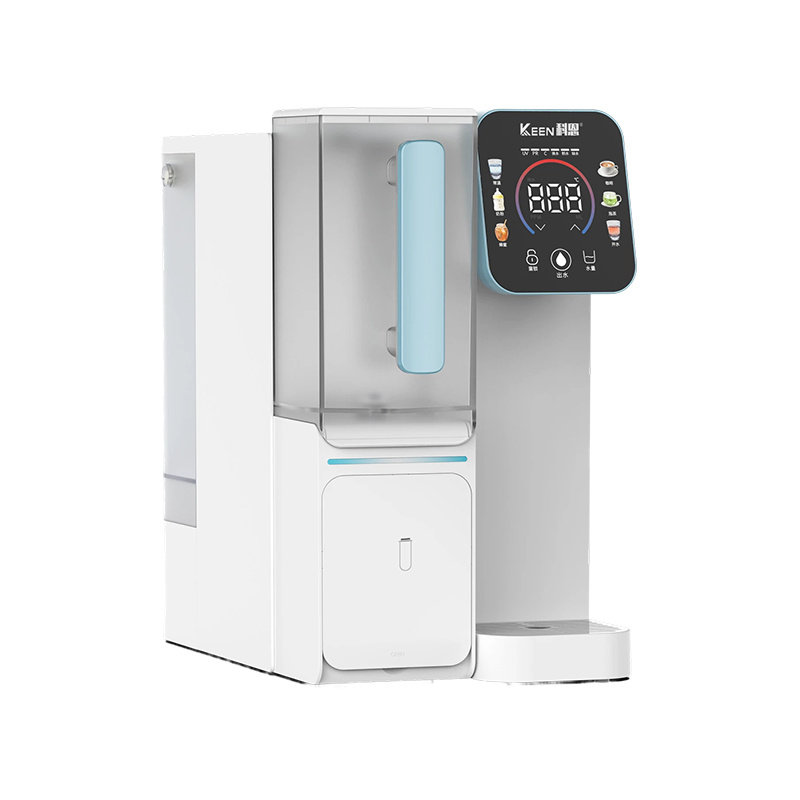
The core of this transformation lies in the self-contained nature of the desktop free installation purifier. Unlike traditional systems that tap directly into the building's main water supply line, these units operate as independent entities. They are equipped with integrated, high-capacity water reservoirs that can be manually filled or connected to a standard water source via a simple, non-invasive tube that requires no cutting or soldering of pipes. The user simply fills the tank, plugs the power cord into a standard electrical outlet, and the unit is immediately operational. This complete decoupling from the building's fixed plumbing infrastructure means that no licensed plumber is required for setup. The installation process shifts from a specialized construction task to a simple administrative one that any office manager or employee can perform in minutes.
The elimination of drilling is perhaps the most significant advantage for rented spaces. Landlords and property management firms often impose stringent rules against altering walls, floors, or cabinetry. Drilling holes for water lines or mounting brackets can result in substantial security deposit deductions or lease violations. The mobile drinking water bar respects these constraints by resting securely on any flat surface, such as a desktop, conference table, or dedicated cart. Its compact, lightweight footprint allows it to be placed exactly where needed without leaving a single mark on the property. When the lease ends or the office layout changes, the unit can be unplugged and moved just as easily, leaving the premises in their original condition. This portability ensures that businesses retain full control over their assets and avoid unnecessary costs associated with installation and restoration.
Beyond the logistical benefits, the plug-and-play architecture enhances hygiene and maintenance efficiency. Traditional plumbed-in dispensers often harbor stagnant water in long, hidden pipes that are difficult to clean and can become breeding grounds for bacteria. In contrast, the mobile unit's visible, accessible reservoir and short internal flow paths are easy to monitor and sanitize. The filtration system is typically housed in a modular cartridge that users can replace themselves without tools. This user-serviceable design removes the dependency on scheduled maintenance visits for filter changes, further reducing operational overhead. The transparency of the system empowers users to take ownership of their water quality, ensuring that the purification process is always active and effective.
Furthermore, this architectural freedom supports the evolving concept of agile workspaces. In environments where teams shift between hot-desking areas, meeting rooms, and collaborative zones, fixed water points create bottlenecks. A mobile water bar can be rolled or carried to the center of activity, providing immediate access to purified hot and cold water wherever people gather. This flexibility fosters a more fluid and responsive work environment. During special events, town halls, or temporary training sessions, the unit can be deployed instantly to serve large groups and then stowed away when not needed. The ability to relocate a fully functional hydration station within moments transforms water from a fixed utility into a mobile resource that adapts to human movement rather than forcing humans to adapt to infrastructure.
The aesthetic integration of these devices also plays a crucial role in modern office design. Freed from the constraints of hiding pipes and valves, manufacturers have designed these units to resemble sleek furniture pieces or high-end appliances. They complement contemporary interior decor rather than detracting from it with industrial tubing and exposed connections. This visual appeal makes them suitable for client-facing areas, executive suites, and reception desks where appearance matters.
In conclusion, the plug-and-play architecture of desktop water bars represents a fundamental shift in how offices approach hydration. By removing the necessity for professional plumbing, drilling, and permanent installation, these devices unlock unprecedented flexibility for rented and dynamic spaces. They empower tenants to bypass landlord restrictions, reduce setup and maintenance costs, and enhance hygiene through user-friendly design. As the workplace continues to evolve toward greater mobility and adaptability, the mobile drinking water bar stands as an essential tool, proving that high-quality purified water no longer requires a fixed connection to the building's skeleton but can flow freely wherever work happens.
The core of this transformation lies in the self-contained nature of the desktop free installation purifier. Unlike traditional systems that tap directly into the building's main water supply line, these units operate as independent entities. They are equipped with integrated, high-capacity water reservoirs that can be manually filled or connected to a standard water source via a simple, non-invasive tube that requires no cutting or soldering of pipes. The user simply fills the tank, plugs the power cord into a standard electrical outlet, and the unit is immediately operational. This complete decoupling from the building's fixed plumbing infrastructure means that no licensed plumber is required for setup. The installation process shifts from a specialized construction task to a simple administrative one that any office manager or employee can perform in minutes.
The elimination of drilling is perhaps the most significant advantage for rented spaces. Landlords and property management firms often impose stringent rules against altering walls, floors, or cabinetry. Drilling holes for water lines or mounting brackets can result in substantial security deposit deductions or lease violations. The mobile drinking water bar respects these constraints by resting securely on any flat surface, such as a desktop, conference table, or dedicated cart. Its compact, lightweight footprint allows it to be placed exactly where needed without leaving a single mark on the property. When the lease ends or the office layout changes, the unit can be unplugged and moved just as easily, leaving the premises in their original condition. This portability ensures that businesses retain full control over their assets and avoid unnecessary costs associated with installation and restoration.
Beyond the logistical benefits, the plug-and-play architecture enhances hygiene and maintenance efficiency. Traditional plumbed-in dispensers often harbor stagnant water in long, hidden pipes that are difficult to clean and can become breeding grounds for bacteria. In contrast, the mobile unit's visible, accessible reservoir and short internal flow paths are easy to monitor and sanitize. The filtration system is typically housed in a modular cartridge that users can replace themselves without tools. This user-serviceable design removes the dependency on scheduled maintenance visits for filter changes, further reducing operational overhead. The transparency of the system empowers users to take ownership of their water quality, ensuring that the purification process is always active and effective.
Furthermore, this architectural freedom supports the evolving concept of agile workspaces. In environments where teams shift between hot-desking areas, meeting rooms, and collaborative zones, fixed water points create bottlenecks. A mobile water bar can be rolled or carried to the center of activity, providing immediate access to purified hot and cold water wherever people gather. This flexibility fosters a more fluid and responsive work environment. During special events, town halls, or temporary training sessions, the unit can be deployed instantly to serve large groups and then stowed away when not needed. The ability to relocate a fully functional hydration station within moments transforms water from a fixed utility into a mobile resource that adapts to human movement rather than forcing humans to adapt to infrastructure.
The aesthetic integration of these devices also plays a crucial role in modern office design. Freed from the constraints of hiding pipes and valves, manufacturers have designed these units to resemble sleek furniture pieces or high-end appliances. They complement contemporary interior decor rather than detracting from it with industrial tubing and exposed connections. This visual appeal makes them suitable for client-facing areas, executive suites, and reception desks where appearance matters.
In conclusion, the plug-and-play architecture of desktop water bars represents a fundamental shift in how offices approach hydration. By removing the necessity for professional plumbing, drilling, and permanent installation, these devices unlock unprecedented flexibility for rented and dynamic spaces. They empower tenants to bypass landlord restrictions, reduce setup and maintenance costs, and enhance hygiene through user-friendly design. As the workplace continues to evolve toward greater mobility and adaptability, the mobile drinking water bar stands as an essential tool, proving that high-quality purified water no longer requires a fixed connection to the building's skeleton but can flow freely wherever work happens.