


How can a kitchen water purifier reduce secondary pollution through its self-cleaning function during long-term operation?
Release Time : 2026-01-28
In the long-term operation of under-kitchen water purifiers, secondary pollution mainly stems from the accumulation of contaminants trapped in the filter cartridge, the deterioration of stagnant water in the pipelines, and the growth of bacteria in the humid environment inside the device. This pollution not only reduces the water purification effect but can also cause secondary damage to the water quality. The self-cleaning function, by actively intervening in the filter cartridge's condition, optimizing the water flow path, and inhibiting microbial growth, is a key technological means to reduce secondary pollution, and its mechanism of action is present throughout the entire life cycle of the under-kitchen water purifier.
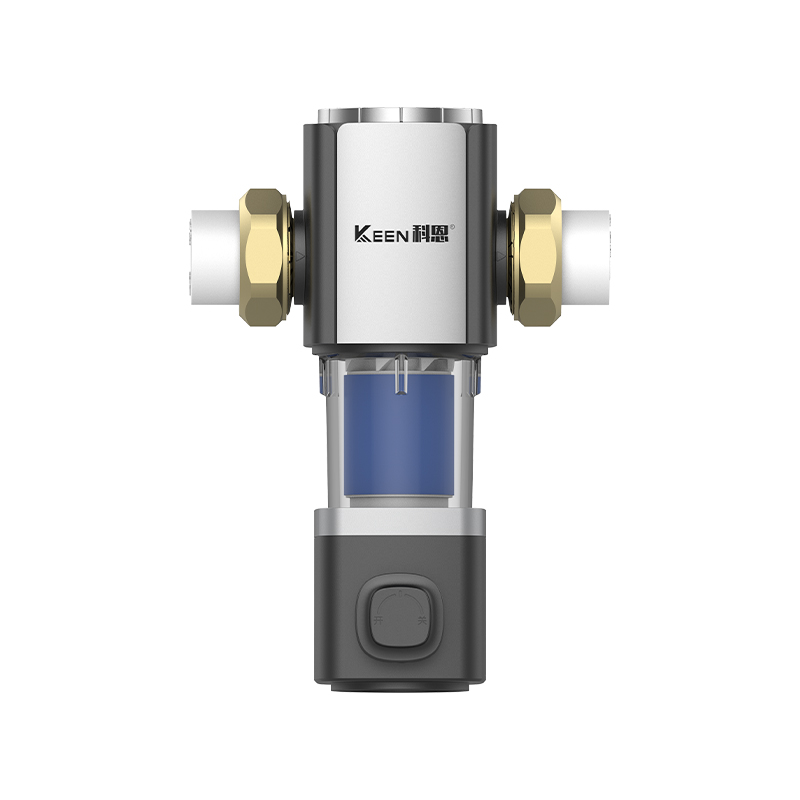
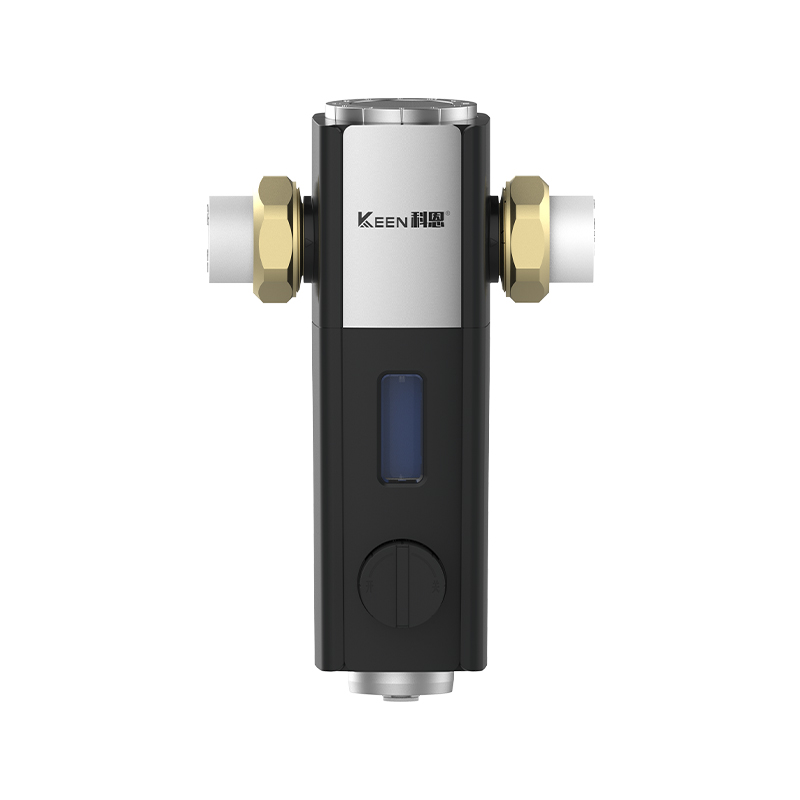
The core of the self-cleaning function lies in achieving self-maintenance of the filter cartridge through dynamic water flow flushing. After long-term use, the filter cartridges of traditional under-kitchen water purifiers accumulate sediment, rust, organic matter, and other impurities, gradually clogging the pores, reducing filtration efficiency, and potentially becoming a breeding ground for bacteria. Under-kitchen water purifiers with self-cleaning functions, through an independent water flow channel, simultaneously guide a portion of the water flow to backwash the filter cartridge surface during normal water purification. For example, when the water faucet is turned off, the system briefly opens the drain valve, using water pressure to flush away contaminants attached to the outer layer of the filter cartridge, preventing them from penetrating deeper into the filter cartridge. This dynamic flushing mechanism maintains filter permeability and reduces contaminant residue without manual intervention.
Separate water supply design is another crucial support for the self-cleaning function. Some high-end under-kitchen water purifiers employ a "one-in, two-out" structure, where the incoming raw water is split into purified water and wash water. The wash water, flowing through the filter, only performs preliminary filtration on the raw water side, its flow path dedicated to flushing the filter surface. When the user turns on a regular tap, the wash water quickly carries away impurities trapped in the filter and drains through the outlet, creating a "running water, no stagnation" effect. This design separates the filter's purification and self-cleaning functions, avoiding the repeated accumulation of contaminants caused by the single-channel design of traditional under-kitchen water purifiers, thus reducing the risk of secondary contamination at its source.
The antibacterial properties of the filter material are also an important component of the self-cleaning function. Modern under-kitchen water purifiers often add antibacterial materials such as silver ions and copper-loaded activated carbon to the filter. These substances can disrupt the cell walls or metabolic systems of bacteria, inhibiting their colonization on the filter surface. For example, silver-loaded activated carbon, while adsorbing organic matter, slowly releases silver ions, creating a continuous antibacterial environment. Even if a small number of bacteria manage to enter the filter cartridge through the water flow, the antibacterial material effectively limits their reproduction, preventing the filter cartridge from becoming a source of contamination. Furthermore, some filter cartridges use hydrophobic membrane materials, reducing water molecule retention on the membrane surface and further minimizing the possibility of microbial growth.
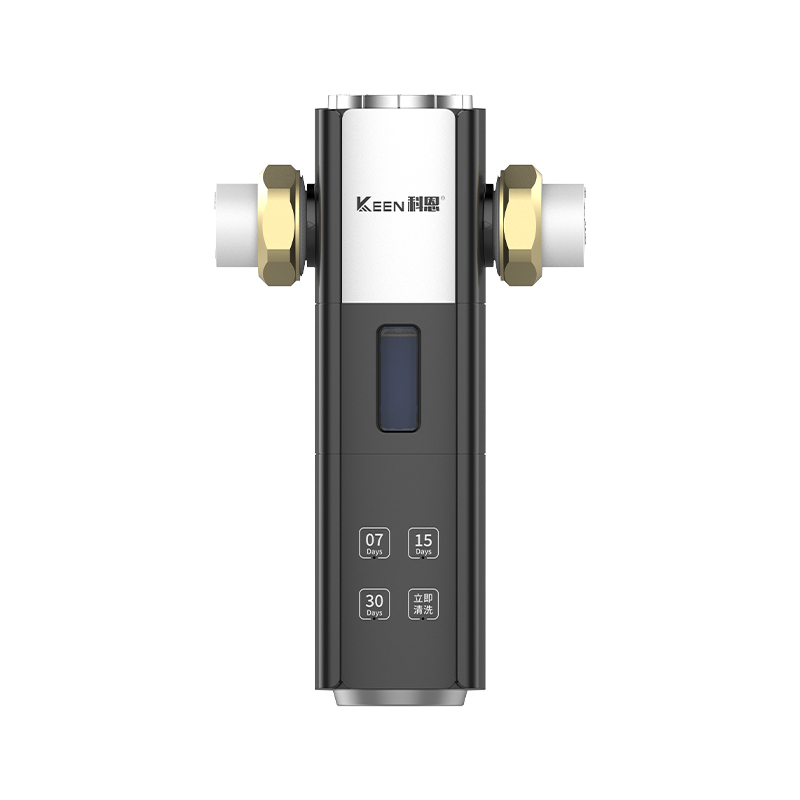
The introduction of an intelligent control system makes the self-cleaning function more precise and efficient. Through built-in pressure sensors and flow meters, the Under Kitchen Water Purifier can monitor the filter cartridge status in real time. When increased water flow resistance or a preset filtration time is detected, the system automatically initiates the self-cleaning program, adjusting the water flow direction or increasing the flushing intensity. For example, during off-peak water usage at night, the Under Kitchen Water Purifier can automatically perform a deep clean, using a longer water flow to thoroughly remove stubborn contaminants from inside the filter cartridge. This intelligent self-cleaning mode not only improves maintenance efficiency but also avoids water waste caused by frequent manual cleaning.
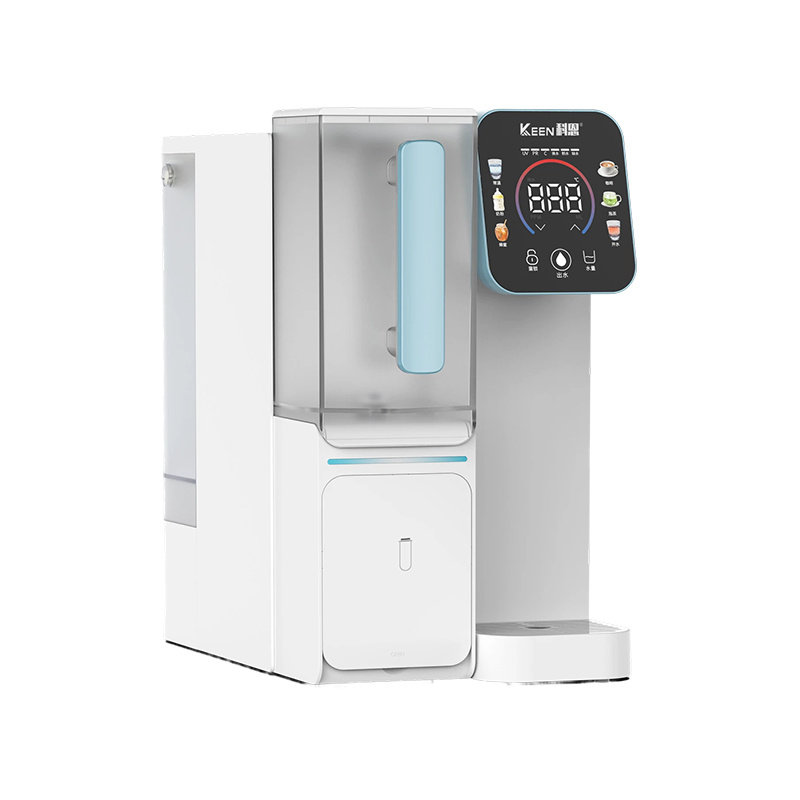
Optimized design of the piping system is also crucial for reducing secondary pollution. Self-cleaning under-kitchen water purifiers typically use food-grade piping to prevent the leaching of harmful substances. Additionally, the pipe connections are sealed to prevent external air from entering and creating negative pressure, which could lead to backflow of contaminants. Some products also incorporate ultraviolet sterilization devices within the piping for secondary disinfection of the flowing water, ensuring that every drop of water from the under-kitchen water purifier to the faucet is sterile. These detailed design features collectively create a comprehensive protection system from water inlet to outlet, minimizing the probability of secondary contamination.